
Effective Dog Training Advice: Tips to Deepen Your Bond

Updated: Jan 11
Training your dog is more than just teaching commands. It’s a journey of connection, trust, and understanding. When you approach training with warmth and patience, you open a door to a richer relationship with your furry friend. I’ve found that gentle guidance, sprinkled with consistency and love, creates the best environment for learning. Let’s explore some effective training tips that will help you and your dog grow closer every day.
Embracing Dog Training Advice with Patience and Positivity
Training is a dance between you and your dog. It requires patience, clear communication, and a sprinkle of encouragement. When you start, remember that every dog learns at their own pace. Some may catch on quickly, while others need a little more time to understand what you want.
Here are some key points to keep in mind:
Use positive reinforcement: Reward good behaviour with treats, praise, or playtime. This encourages your dog to repeat those actions.
Keep training sessions short and sweet: Aim for 5 to 10 minutes, two or three times a day. This keeps your dog engaged without overwhelming them.
Be consistent: Use the same words and gestures for commands. Consistency helps your dog understand what you expect.
Stay calm and gentle: Dogs respond best to a calm voice and gentle touch. Avoid yelling or harsh corrections.
By focusing on these principles, you create a safe space where your dog feels confident to learn and grow.
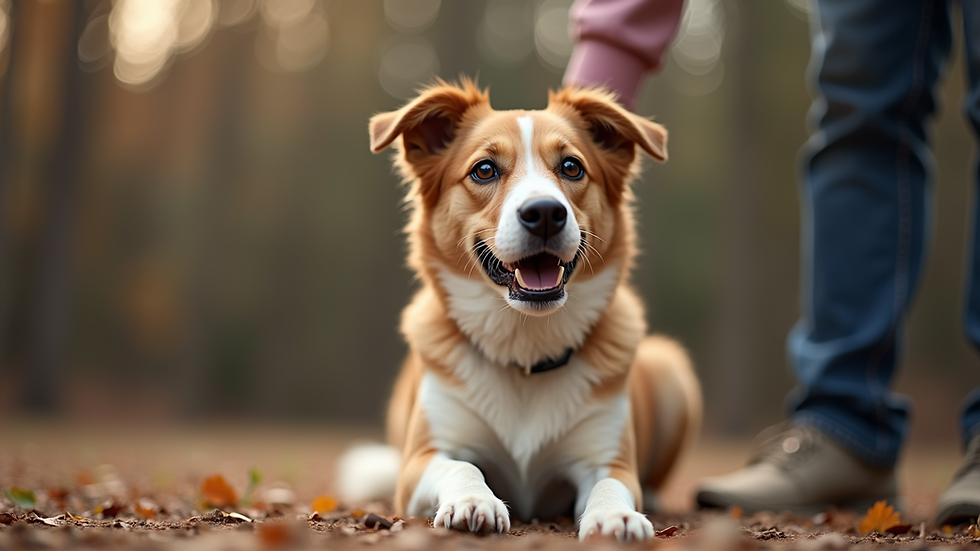
Building a Strong Foundation: Basic Commands and Socialisation
Before diving into complex tricks, it’s essential to master the basics. Commands like sit, stay, come, and leave it form the foundation of good behaviour. These simple words can keep your dog safe and make daily life smoother.
Here’s how to start:
Choose a quiet space: Minimise distractions so your dog can focus.
Use treats as motivation: Hold a treat close to your dog’s nose, then slowly move it to guide them into the desired position.
Say the command clearly: For example, say “sit” as you move the treat above their head.
Reward immediately: The moment your dog follows the command, give the treat and praise warmly.
Repeat and practice: Consistency is key. Practice these commands daily.
Socialisation is just as important. Introducing your dog to new people, environments, and other animals helps them become well-rounded and confident. Take walks in different parks, invite friends over, or visit pet-friendly cafes. Each new experience is a stepping stone to a happier, more adaptable dog.
What is the 3-3-3 Rule for Dogs?
The 3-3-3 rule is a simple guideline to help you understand and support your dog during times of change or stress. It’s especially useful when you bring a new dog home or when your dog experiences a big shift in their environment.
The rule breaks down like this:
3 feet: When your dog is in a new place, stay within 3 feet of them to offer comfort and reassurance.
3 minutes: Spend at least 3 minutes calmly interacting with your dog in the new environment before moving on.
3 hours: Give your dog about 3 hours to adjust to the new surroundings before expecting them to behave normally.
This gentle approach respects your dog’s emotional needs and helps them feel safe. It’s a reminder that patience and presence are powerful tools in training and bonding.
Using Gentle Corrections and Encouragement
Sometimes, your dog might test boundaries or forget commands. It’s natural, and how you respond can make all the difference. Instead of punishment, try gentle corrections paired with encouragement.
Here are some tips:
Redirect unwanted behaviour: If your dog jumps on guests, calmly guide them to sit instead.
Use a firm but kind voice: A simple “no” or “ah-ah” can signal that a behaviour isn’t acceptable.
Reward the right behaviour immediately: When your dog listens, offer praise or a treat.
Avoid physical punishment: This can damage trust and create fear.
Remember, your dog looks to you for guidance and safety. When you lead with kindness, they feel secure and eager to please.

Creating a Training Routine That Fits Your Life
Consistency is the heartbeat of effective training. But life can be busy, and it’s easy to let training slip. The key is to weave training moments naturally into your daily routine.
Try these ideas:
Morning and evening sessions: Use these quiet times to practice commands.
Training during walks: Practice “heel” or “stay” while out and about.
Incorporate play: Turn training into a game with fetch or hide-and-seek.
Use mealtime: Turn feeding into a training opportunity by asking for a command before giving the bowl.
By making training a regular, enjoyable part of your day, you build habits that last a lifetime.
Nurturing the Heart of Your Relationship
Training is not just about obedience. It’s about deepening the connection you share. When you listen to your dog’s needs and respond with love, you create a bond that goes beyond words.
Here’s how to nurture that bond:
Spend quiet time together: Cuddle, brush, or simply sit with your dog.
Observe their body language: Learn what makes them happy, anxious, or curious.
Celebrate small victories: Every step forward is a reason to smile.
Be patient with setbacks: Growth is not always linear.
Your dog is a mirror of your energy. When you approach training with warmth and understanding, you invite them to shine their brightest.
Training your dog is a beautiful journey of discovery and love. With patience, kindness, and a sprinkle of fun, you can unlock a world of joy and harmony together. Remember, every moment you spend teaching and learning is a step closer to a lifelong friendship filled with trust and happiness.
For more insights and support on your journey, explore dogs and discover how to deepen your connection with your beloved companion.
🌙 Want to Understand Your Pet on a Deeper Level?
If this article has sparked your curiosity, you can take the next step by requesting a Free Pet Astrology Birth Chart for your dog or cat. This chart is created using your pet’s birth details and shows zodiac signs, planetary placements, and astrological houses unique to them.
For those wanting deeper insight, you may also enjoy:
📘 Astrology for Pets eBook – learn how astrology influences pet personality and behaviour
🌙 Personalised Pet Astrology Reports – in-depth guidance based on your pet’s full chart
✨ Free Monthly Pet Horoscopes – gentle insights to support everyday life
🐾 Understanding your pet through astrology isn’t about changing them — it’s about seeing them more clearly and supporting them with compassion.
While astrology focuses on planetary placements and zodiac signs, pet numerology offers another layer of understanding by looking at the numbers connected to your pet’s birth date and name.
Numerology can provide insight into:
Emotional tendencies and sensitivities
Natural rhythms and behavioural patterns
How your pet expresses energy and responds to their environment
Many pet parents find that combining pet astrology and numerology creates a more complete picture of their pet’s personality and life path.
You can explore this approach further in our pet numerology blog, where we explain how numerology works for pets and how it complements astrology beautifully.


Comments